
Robert Castaño Is Finding Himself In The Alternative
For Robert Castaño, being an artist has never meant choosing one lane and staying there.
Raised between Philadelphia and New York, with roots in Puerto Rico and the Dominican Republic, Castaño grew up surrounded by different sounds, perspectives, and creative influences. Today, those experiences show up throughout his music, from hip-hop and R&B to dance music, Latin sounds, and Spanish-language songwriting.
But calling his work simply “alternative” doesn’t quite tell the whole story.
BY JAMARI SHELTON
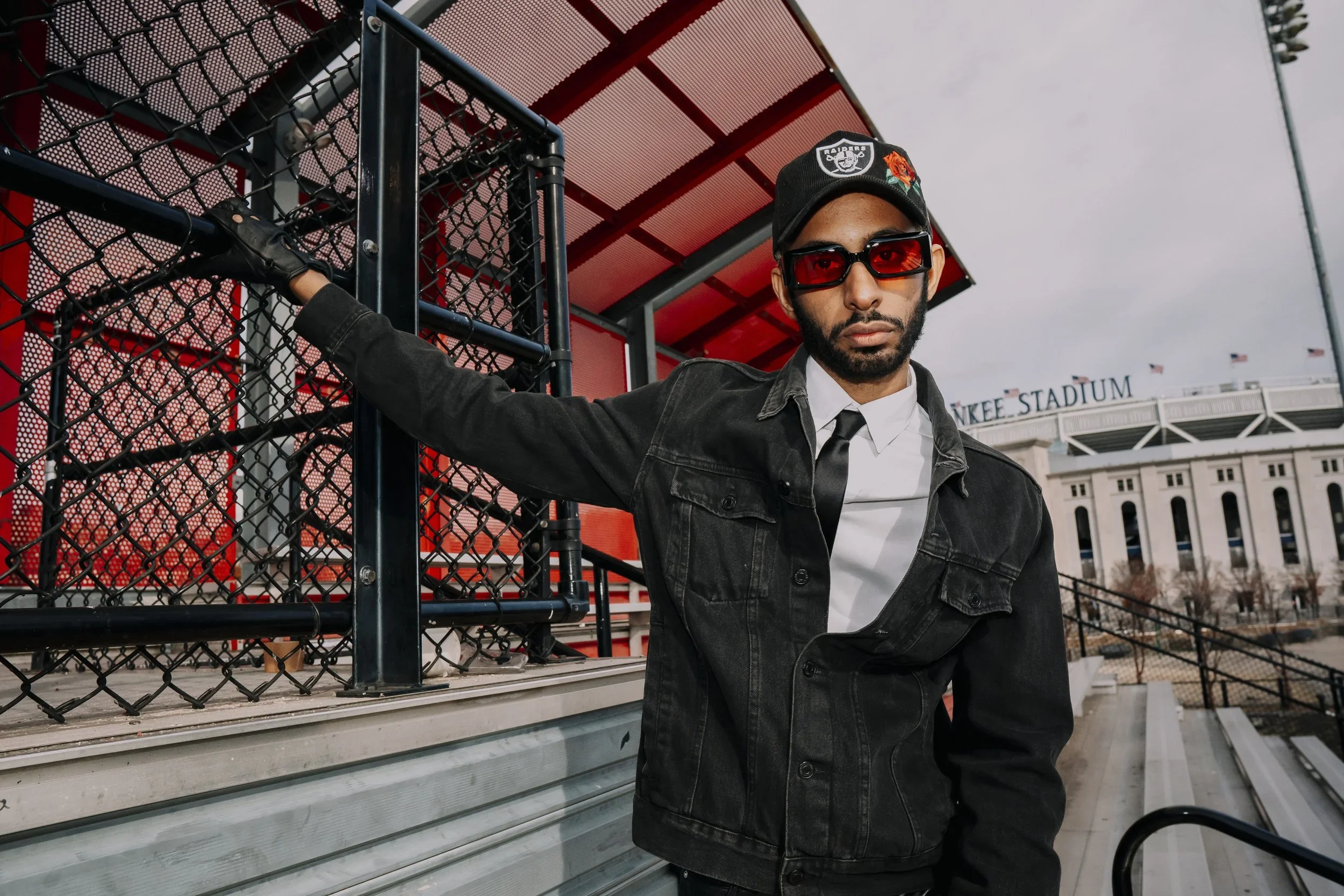
All Image Credit: Robert Castano
Through his creative company Aspire Alt Art (Aspirational Alternative Art) Castaño has created a home for the different mediums he works across, including music, photography, marketing, curation, and more. It’s an extension of the same philosophy that shapes his artistry: there doesn’t always need to be a box.
“I feel like for me personally, I’ve always been alternative,” Castaño said. “I always say like I’m too weird for the hood, but too hood for the weird.”
For a while, existing somewhere between those worlds made it difficult for him to feel like he belonged anywhere. Eventually, though, he realized that being caught somewhere in the middle was actually giving him the freedom to create his own space.
“All of those times where I felt like I don’t fit in here, I don’t fit in there, was just allowing me room to continue to explore and find myself in this alternative space,” he said.
That perspective is reflected in the way Castaño approaches music. His writing comes from his hip-hop background, while his love for melodic and uptempo dance music adds another layer to his sound. Rather than treating those influences as separate identities, he lets them exist together.
His relationship with music started naturally. He grew up in a musical family, although neither of his parents were musicians in the traditional sense. His mother, who was born in the Bronx and whose family is from Puerto Rico, introduced him to sounds like salsa, merengue, and house music. His father, who is from the Dominican Republic, contributed an eclectic taste that included soft rock and salsa.
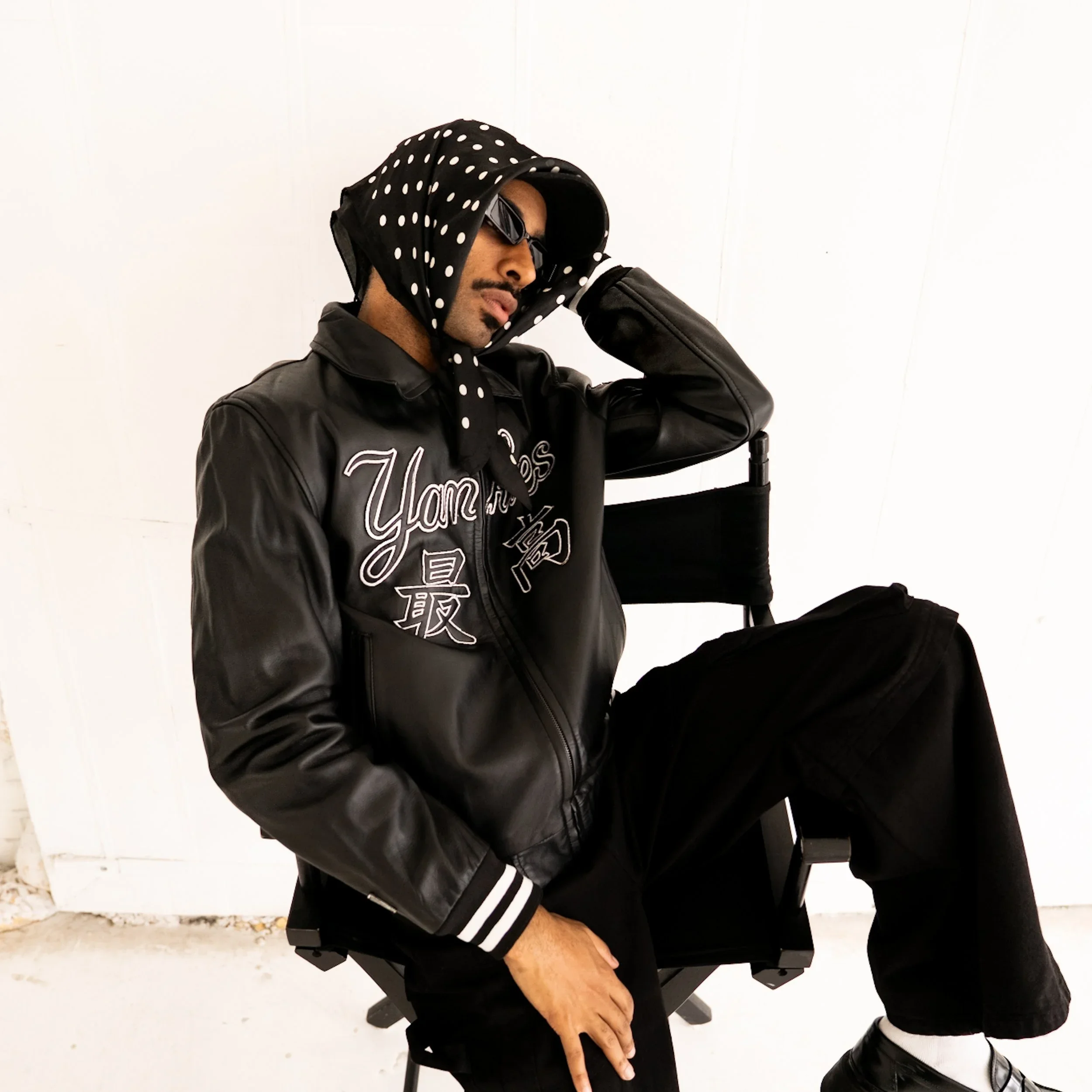
His cousins introduced him to hip-hop, and eventually, one of his friends started rapping. Castaño volunteered to be the DJ.
Years later, that early love for curating music has stayed with him. But creating music became something much deeper over time.
“I was terrible when I started making music,” Castaño said. “I was just like, just trash, but it was something that I was doing as a hobby.”
As life changed, music became one of the few constants he could rely on. What began as something he did whenever he had free time slowly became something inseparable from his everyday life.
“I call it intimacy with my art,” he said. “There’s a time where you start and it’s a hobby and it’s like, okay, cool, I do this whenever I get spare time, and then you start doing it a little more. You’re like, ‘Oh s—it, I’m really starting to love this s—it.’”
Eventually, that relationship became so natural that he stopped viewing music as something that could simply be turned off.
“If I’m walking and I hear something, I’m like, ‘Oh f—ck, let me just turn a beat on,’ and then I just do it,” he said. “Everything is just all-encompassing.”
That same openness has become especially important as Castaño incorporates more of his Latin identity into his music.
Spanish has increasingly become part of his songwriting, and he hopes to eventually release both an EP and a full project entirely in Spanish. The idea first came from his producer who challenged him to write something in the language.
The result became California a song he released last year that showed him there was more room to explore.
“I was like, ‘Oh, this s—it fire!’ And I’m like, ‘Let me keep working at it,’” he said. “And it became second nature.”
For Castaño, writing in Spanish is more than simply adding another language to his music. It allows him to access an emotional side of himself that feels deeply connected to his culture.
“We’re very passionate people,” he said. “And I’m that. That is heavily me in terms of my emotional makeup is all Latin.”
That vulnerability has become particularly important in his love songs. Castaño describes himself as “a very emo kind of guy,” and finds inspiration in the emotion of Latin music, particularly salsa and bachata.
“I feel like in Latin music, it’s almost the complete opposite,” he said. “In salsa and bachata, it’s like, it’s all emotion, and I feel like that gives me the runway to get into that side of it for sure.”
Whether the song is about joy, sadness, triumph, depression, or anxiety, he wants the listener to feel whatever emotion exists within the record.
“Music meets people where they are,” he said.
For him, that is one of the most powerful things about music. A song can become attached to a specific moment in someone’s life and transform into a timestamp they carry with them for years.
Sometimes it’s the lyrics, the beat, or one line that hits at exactly the right moment.
That is also why Castaño doesn’t believe technical perfection automatically translates into emotional connection.
“There’s also a difference between, like, perfect music and just feeling music,” he said. “F—ck perfect. Music isn’t designed to be perfect.”
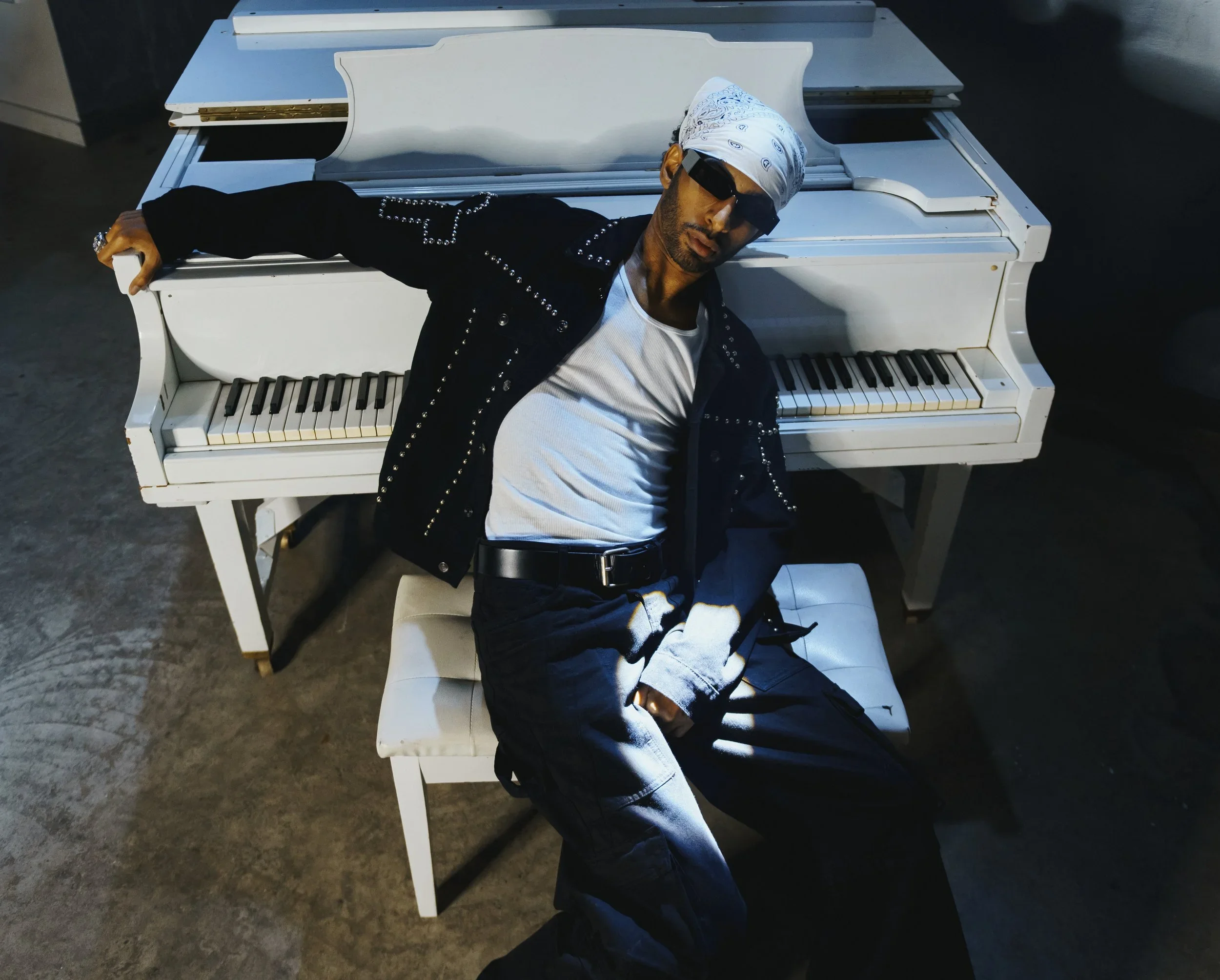
That philosophy has shaped his thoughts on the current state of music, particularly as artificial intelligence continues to make it easier than ever to create and distribute songs.
Castaño isn’t interested in treating technology as inherently negative. In fact, he believes artists are living through one of the most accessible eras in music history.
With Spotify, Apple Music, YouTube, Genius, WhoSampled, online production tools, remote engineers, and countless other resources, artists can study music from around the world and create without needing access to a major studio or industry connection.
“There was never a time in life where everything was so accessible,” he said.
For independent artists, that accessibility can be life-changing. An artist can record from home, collaborate with someone across the world, have a song mixed and mastered online, and release it without ever stepping inside a traditional music industry building.
“You could f—king make an album tomorrow,” Castaño said. “You send me a pack of beats, I’ll start doing demos on my phone, I send it back to you, then we can put it out next week, and our lives could change. And I think that’s incredible.”
But he also recognizes the other side of that accessibility. When anyone can create, the distinction between making art for the sake of creating and making something purely for commercial purposes can become blurred.
Castaño believes both motivations can exist, but they aren’t necessarily the same thing.
“You have people that make art for money exclusively, and then there’s artists that make art,” he said. “Yes, we want to make money. We want to make a living, right? But I think there’s two different things.”
For Castaño, the difference comes back to intention.
He also credits his friend and collaborator, AP, with helping him realize that there were more people like him than he initially thought.
The two connected through their shared taste and creative instincts, eventually becoming “kindred spirits” who encouraged each other to experiment.
“He instilled that confidence in me and made me realize like I’m not the only person in the world that’s like that,” Castaño said.
That realization gave him the confidence to continue exploring the alternative side of his artistry instead of worrying about whether it had a clear place.
“There’s way more people like us in the world, and it’s more common than we think,” he said.
Now, Castaño wants to create a space where those people can find him. He views independent artistry as a relationship between the creator and the people who choose to listen. In a world where artists can easily become distant from their audiences, he believes staying connected is essential.
He compares that relationship to customer service. Whether it’s an independent designer including a handwritten note with an order or a bakery throwing an extra donut into your bag, those small moments of gratitude can stick with people.
Music shouldn’t be treated differently simply because it’s art.
“We’re still engaging with people. We’re still building a business,” Castaño said. “So it’s important that, at least for me, it comes across…my gratitude comes across.”
Experimenting is one of the best parts of being a creator today. There are more opportunities to try something, see how people respond, learn from it, and try again.
“You have so many more opportunities,” he said. “It’s like you get so many more at-bats to go up there and try to do some s—it.”
Whether that means creating an entirely Spanish project, exploring more traditional Latin sounds, expanding Aspire Alt Art, or continuing to blur the lines between the different genres and mediums that inspire him.
And if his music can make someone feel something strongly enough to remember exactly where they were when they heard it, that’s the point.
“F—ck perfect,” he said. “Music isn’t designed to be perfect.”
You can hear more from Robert and find everything on his Instagram: @RobertCastano