
Chicago’s alternative R&B artist turns grief, heartbreak, faith, and self-reflection into a deeply personal new EP, PINK GUN.
Love is supposed to be a beautiful thing, but what happens when the people searching for it don’t actually know how to love? For Chicago alternative R&B artist MIRIAH, that question became the foundation of her latest project, PINK GUN, an exploration of the ways people hurt one another, even when their intentions are good.
BY JAMARI SHELTON
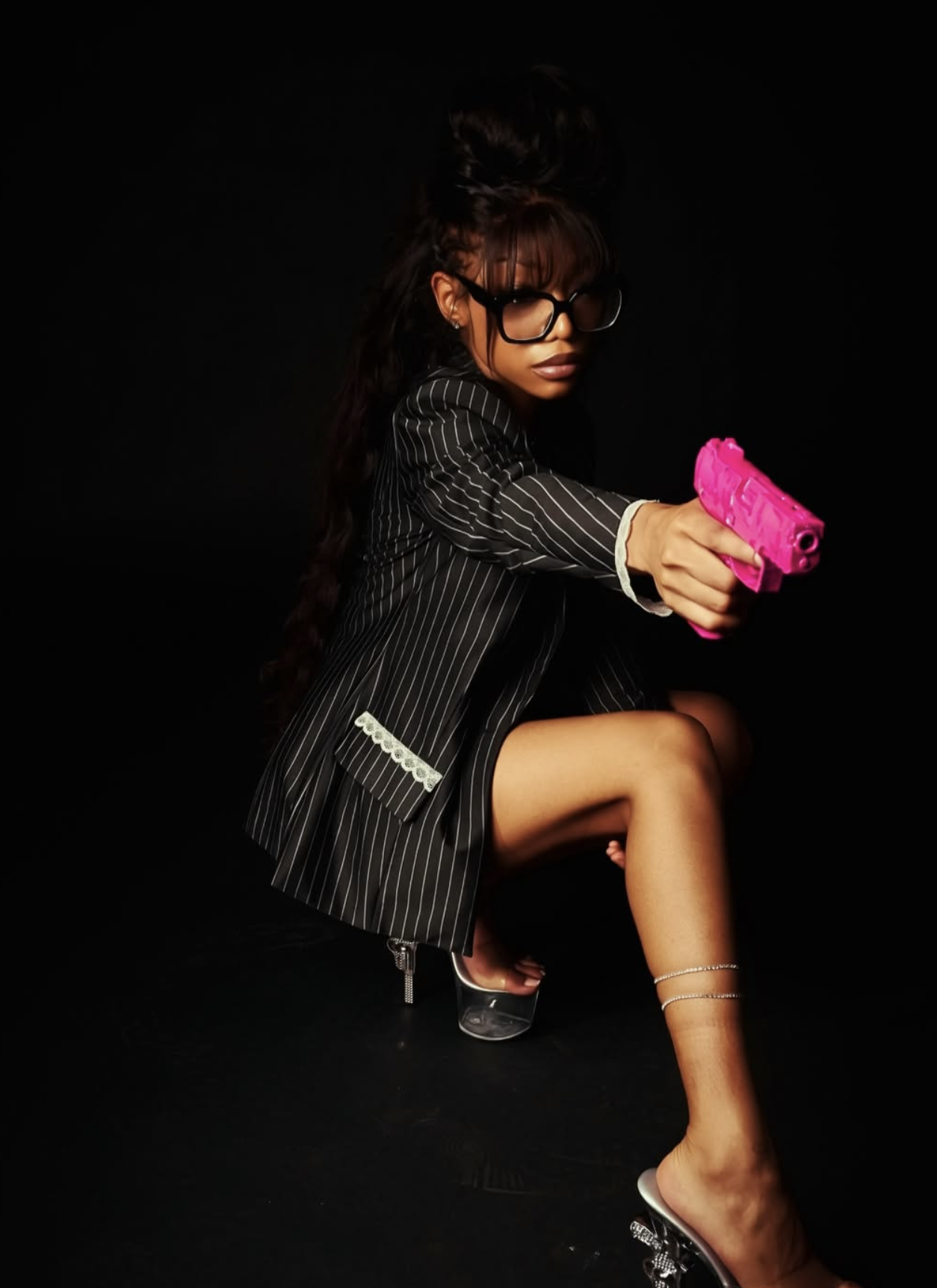
Growing up on Chicago’s Far South Side, MIRIAH has experienced firsthand how grief and trauma can change the way people move through the world. Rather than limiting those experiences to one sound or story, she channels them into a project that moves between R&B, hip-hop, alternative rock, and gospel influences. Each song offers a different perspective on love, loss, and the difficult process of healing.
PINK GUN is more than another project about relationships. It’s about recognizing how the desire to be loved can sometimes become the very thing that causes pain.
“I just observe myself and others not really know how to love well at all, and we all are looking for it, but none of us know what we’re doing,” she said, “I would prefer to love things over people. I would prefer to have flings. I would prefer whatever feels safer than actually using this gun the correct way,”
At its core, PINK GUN examines what happens when hurt people continue hurting others. It’s a cycle she has witnessed in romantic relationships, friendships, family dynamics, and even her own relationship with God.
Although the project officially began taking shape in January, several songs existed as unfinished ideas long before then. MIRIAH’s songwriting process often begins with scattered thoughts, melodies, or concepts she writes down before knowing exactly where they’ll belong. Some of those ideas developed over years before finding a place on PINK GUN.
During that time, she was processing experiences that were far more complicated than a typical breakup. She describes losing her brother to mental illness, grieving friends who had died, navigating the aftermath of a friend’s death involving police, and surviving an attempted robbery at gunpoint. Alongside those experiences came romantic heartbreak, difficult relationships, and an ongoing effort to reconnect with her Christian faith on her own terms.
“I think this is the first time I was able to really process all those things,” she said.
Those experiences are present throughout the project, sometimes in places listeners might not immediately expect.
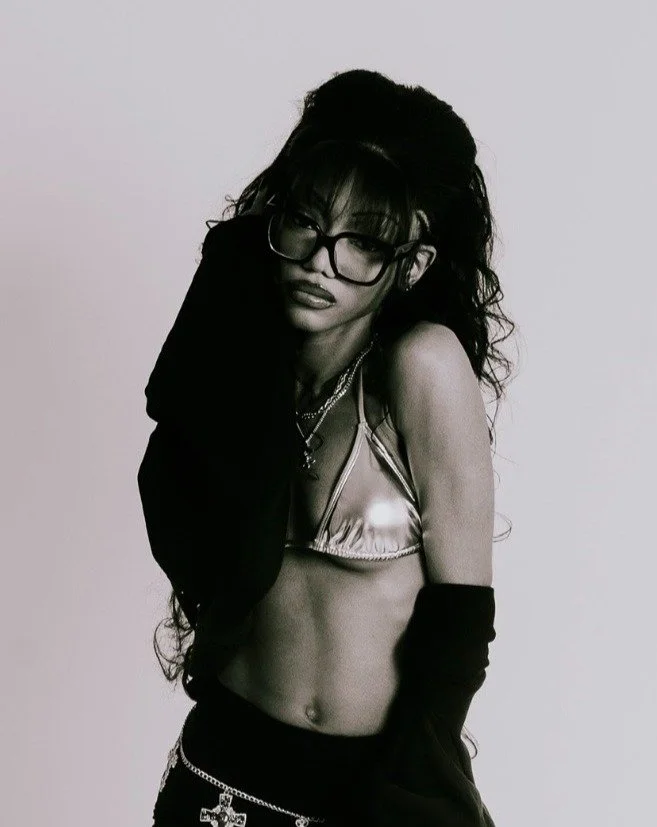
Although MIRIAH grew up listening to gospel and worship music, she’s also drawn to alternative artists like King Krule, whose unconventional sound reflects her own interest in experimenting beyond traditional R&B.
That willingness to experiment extends throughout PINK GUN. While MIRIAH initially struggled to understand how songs with such different sounds could coexist on one project, she eventually realized that the connection wasn’t necessarily musical. It was personal.
“I was like, this s—it doesn’t go together. Like, none of this matches,” she said. “But when I listened to them together, I was like, oh, this is telling the story.”
The different sounds reflect different parts of her upbringing. Heavy drums remind her of riding with her father while he played music loud enough to shake the car. Gospel-inspired arrangements connect her to the worship music that shaped her childhood. Alternative production gives her space to express emotions that don’t always fit neatly into one genre.
Although her music doesn’t necessarily resemble the drill sound commonly associated with Chicago, she wants her identity as an artist from the city to be recognized. Having grown up around Roseland and the city’s Far South Side, she sees those experiences as an inseparable part of her storytelling.
“I love drill music because I love the stories that it tells,” she said. “I don’t love that we have to tell those stories, but I love that it’s honest.”
PINK GUN features contributions from TheArti$t, Mello Buckzz, and theMIND, each bringing a different element to MIRIAH’s musical world.
Mello Buckzz’s appearance on the title track holds particular significance. PINK GUN explores two different kinds of fear: the emotional aftermath of being betrayed by someone she trusted and the fear of navigating Chicago after someone threatened her with a gun.
“I think we be having very similar experiences. We just express it differently,” MIRIAH said. “I love that she brought that energy.”
Those themes are also central to the project’s visual identity. She approaches her music videos with the same attention to detail as the songs themselves, frequently serving as creative director while working with a small team of collaborators.
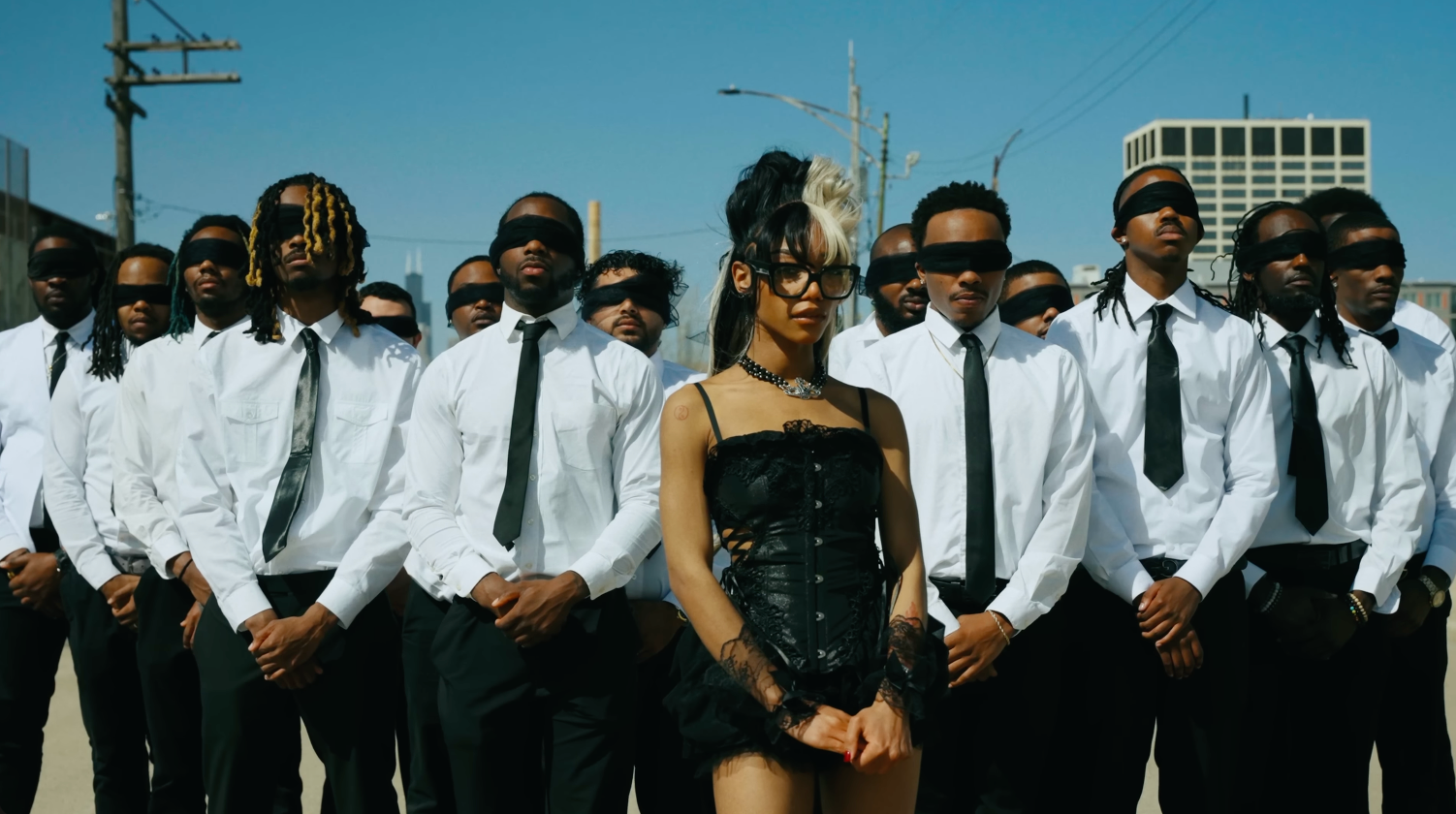
In the visuals for Pride Kills and 36 Hours, she uses blindfolds, cars, and physical conflict to represent the ways people become blinded by pride, pain, and their own emotional wounds.
In 36 Hours, for example, blindfolded men and a body in a car trunk become part of a larger story about allowing the worst version of yourself to take control.
The car represents life’s journey, while the blindfolds symbolize people’s inability to recognize how their actions affect others. The project’s pink colors, diamonds, and flashy aesthetics reflect the comfort people find in superficial forms of love.
“We are more comfortable loving superficially than we are loving in deep ways because of our blindness,” she said.
But as personal as PINK GUN is, MIRIAH doesn’t want the project to become an opportunity to paint herself as the victim in every situation.
Her songwriting frequently involves acknowledging her own mistakes, even when doing so might change how listeners perceive her.
“I be telling on myself in my songs,” she said. “A lot of my songs end up just being my own diary.”
That transparency has become one of the most important parts of her artistry. While making the project, she began reconsidering what love with pure intentions actually means and whether loving someone always requires maintaining a relationship with them.
She no longer believes love has to remain the same forever. Sometimes it means holding someone accountable. Other times, it means finding a way to reconcile with the past without returning to the relationship that caused the pain.
It’s an understanding that extends beyond romance. Although some of the songs on PINK GUN might initially sound like they’re directed at former partners, MIRIAH emphasizes that much of the project is rooted in her relationships with friends, family, herself, and God.
“A lot of this sounds like it’s just about romance, and most of it isn’t,” she said. “The relationships just be the avenue to talk about those things.”
She admits that releasing such personal material can be intimidating, especially when songs reveal parts of herself that she’s still learning to accept.
And if even one listener finds themselves in a song, MIRIAH believes that vulnerability will have served its purpose.
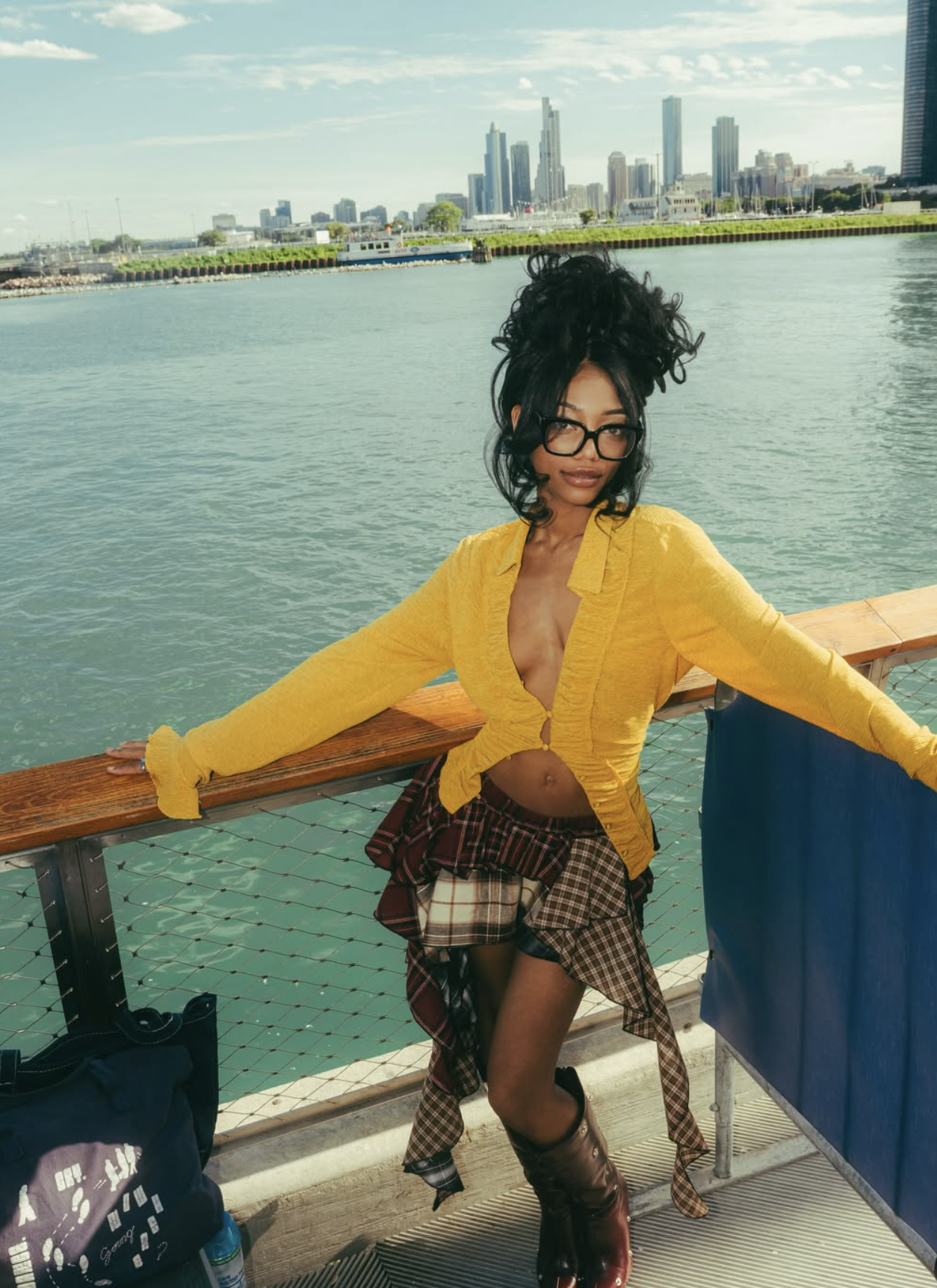
As she embraces the new era of PINK GUN, she’s less concerned with presenting a perfected version of herself than introducing listeners to someone who is still growing.
“I am a whole human being. I do some things really well, and I f—ck up a lot too,” she said. “I made some mistakes, I fixed some mistakes, I made some more, but I’m trying.”
PINK GUN is now exclusively available on all platforms!
You can hear more from MIRIAH on Instagram @miriahworld