
Inside Cameron McCloud’s World of Art, Music, and the Cure For Paranoia
BY JAMARI SHELTON
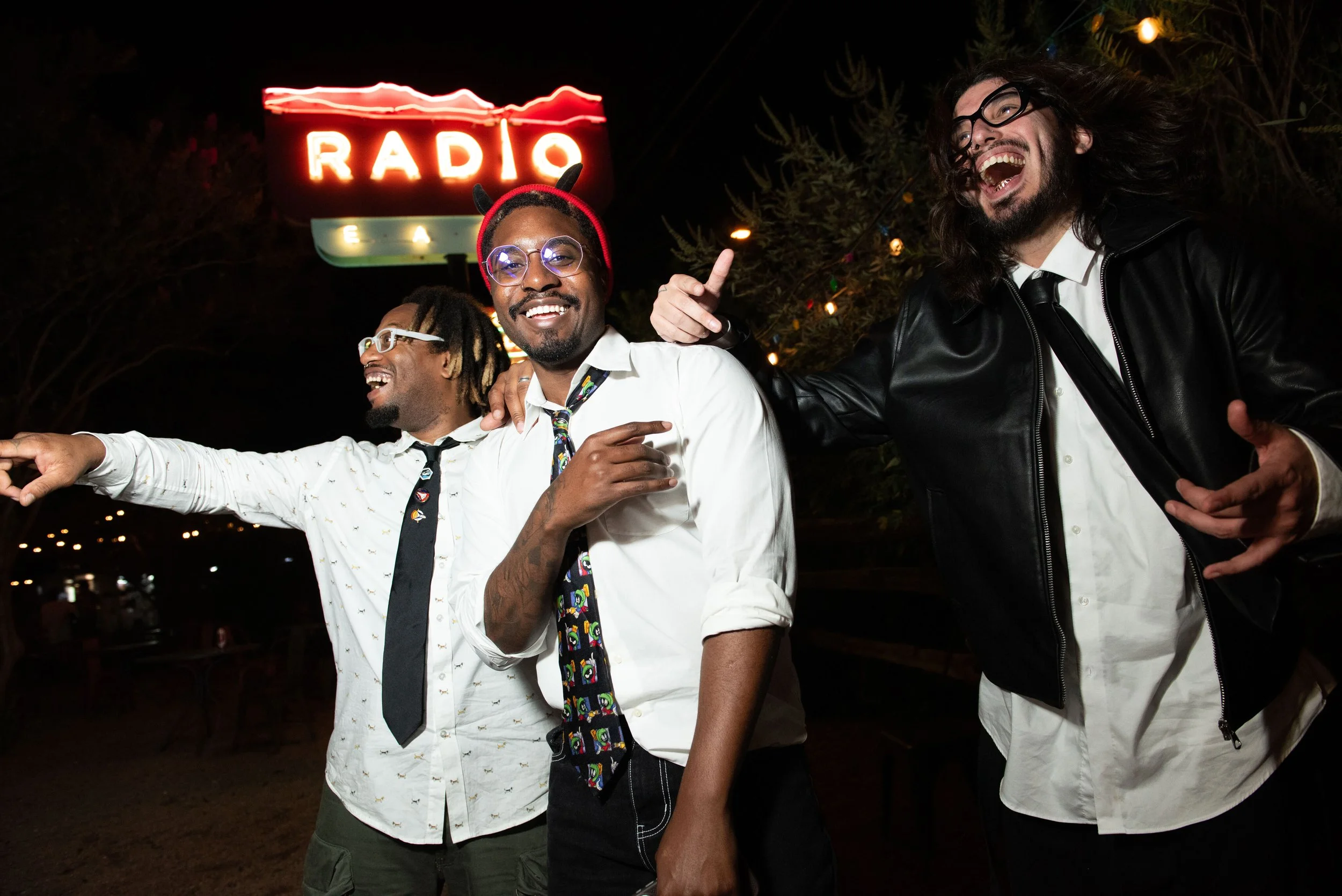
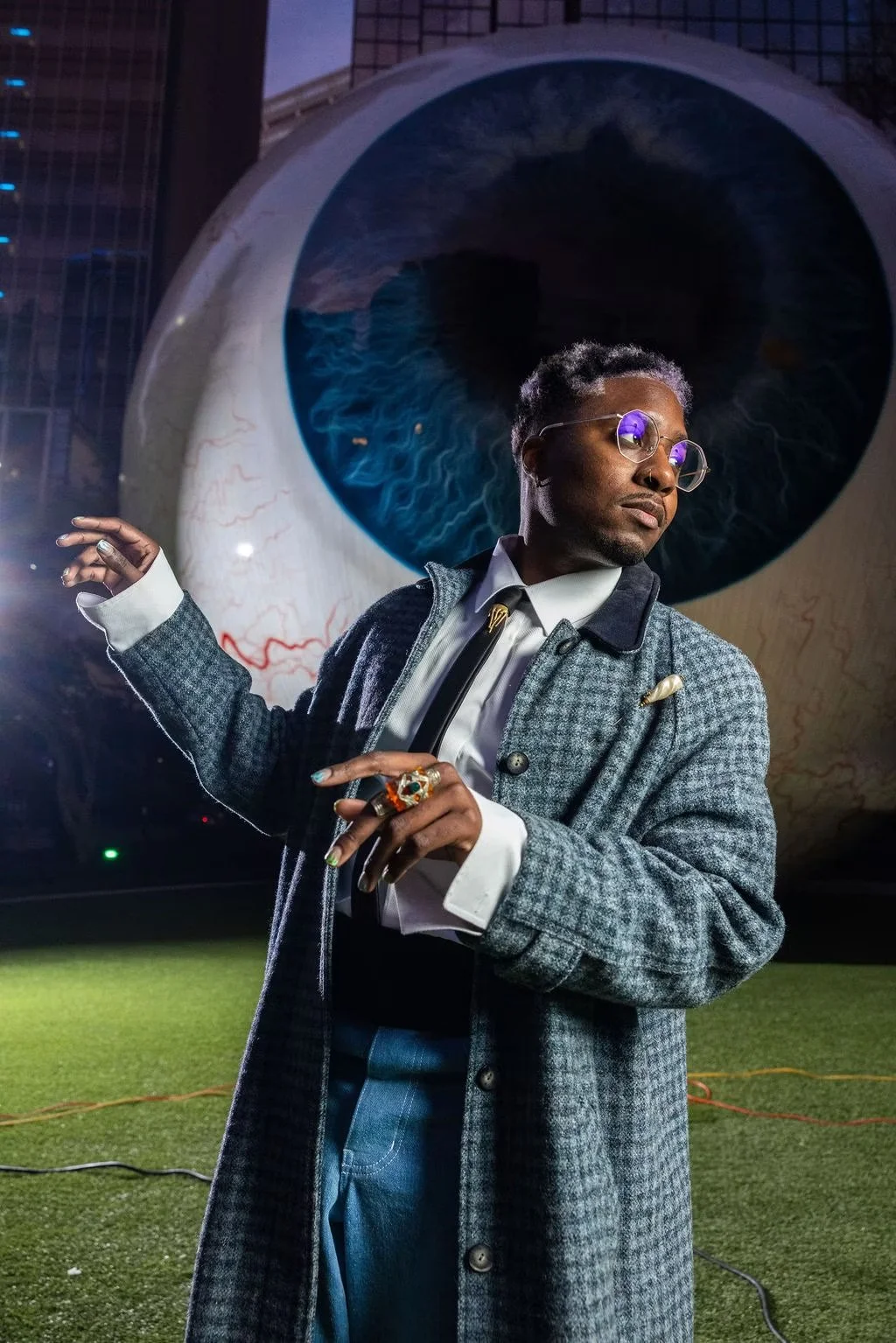
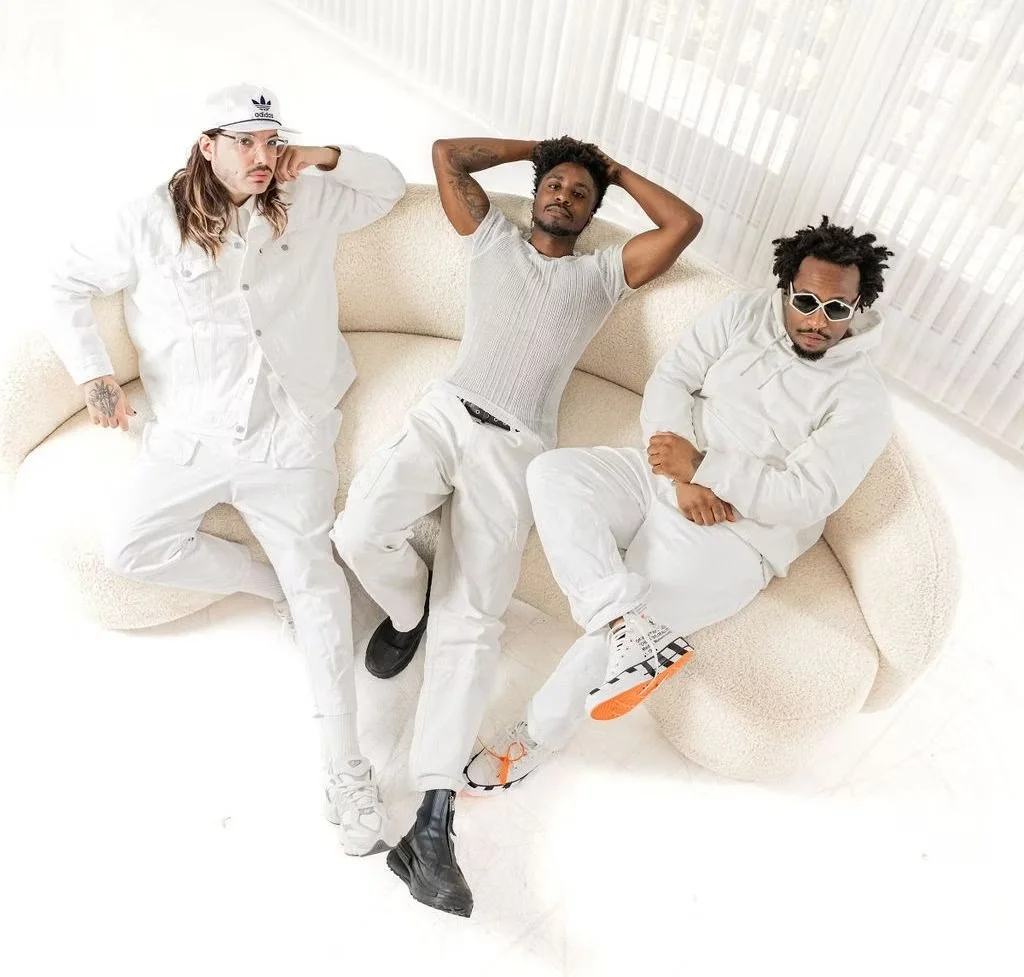
All Image Credit: Cure for Paranoia
When I tell him I didn’t know who he was before the concert, he laughs. But by the end of the night, my feet were on fire from dancing.
It seems more like he's pleased by the thought of being recently discovered in a life he's been actively constructing for years.
“I hang out with a lot of high people,” Cameron McCloud said, frontman to band Cure for Paranoia, easing into a story that sounds less like a brand origin and more like recounting a memory in a sitcom.
Before Cure for Paranoia became three-time NPR Tiny Desk finalists, and the 2026 winners, it was a ‘doomsday’ road trip; A recently lost warehouse job, a conspiracy theory about a meteor strike, four cars packed with friends caravanning through Texas with walkie talkies like they were outrunning the end of the world.
The plan was simple. Drive out of the blast radius. Stop at Cadillac Ranch before sunrise. Take pictures and if the meteor hit, at least there would be proof they were there.
Nothing struck Earth that day. But somewhere between Texas and Colorado, something else did. While half went back home to Texas, he stayed. They were passing a blunt around in the car. Ironic, he says, because weed usually made him anxious. His friends constantly teased him about how paranoid he’d get.
McCloud recalls randomly saying, “I don’t know, I feel like this is the cure for paranoia or something.”
The car went quiet for five seconds.
He follows, “That’s kind of hard, ain’t it?”
Paranoia, he explains now, doesn’t disappear. It doesn’t evaporate once you start touring or releasing albums or building a fan base. It’s persistent. Especially in a country that often feels like it’s unraveling in real time.
“It never goes away,” he said “It’s just about how you deal with it.”
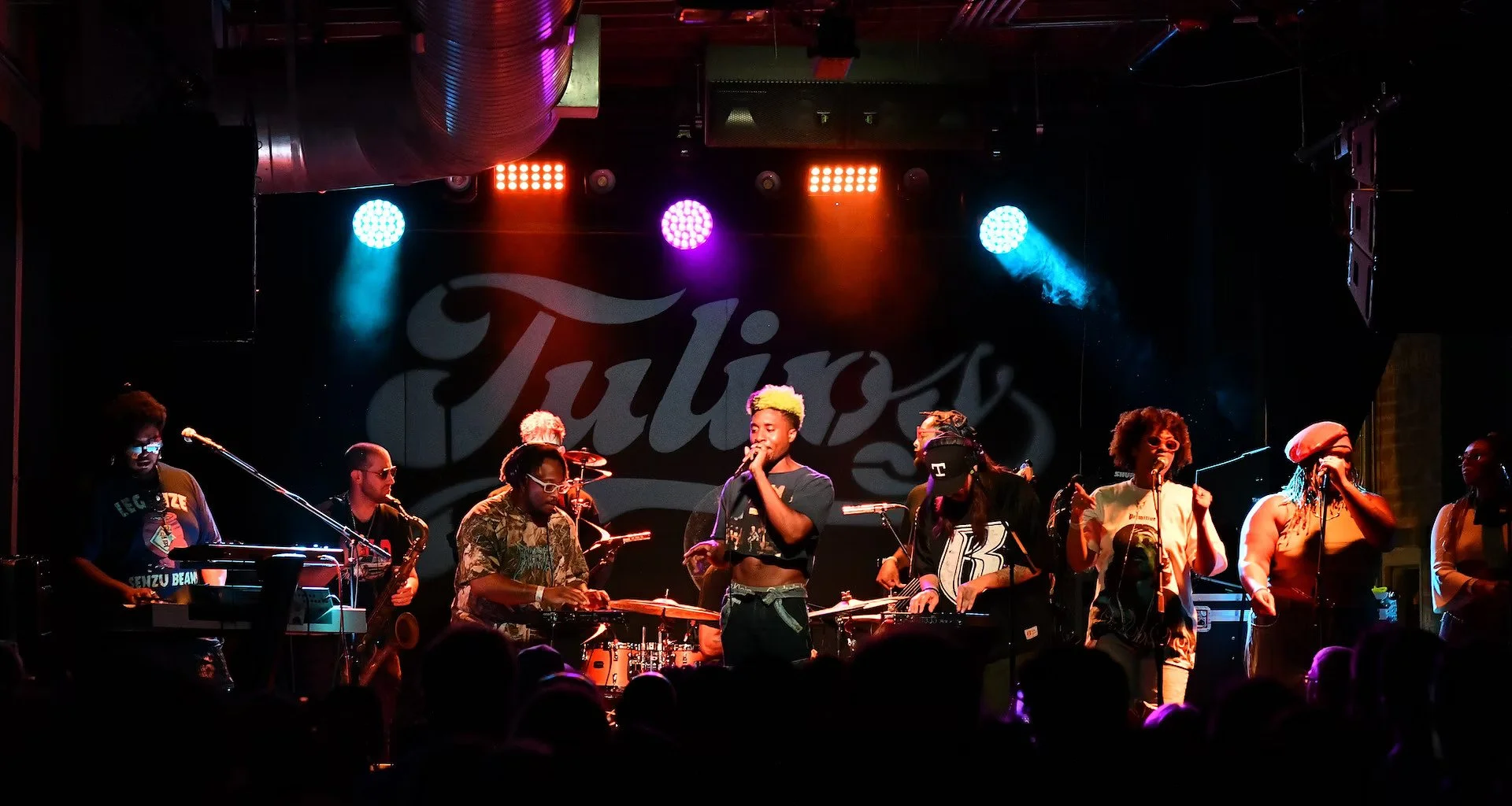
At their Chicago show at Subterranean, the line stretched straight down the block, a magnetic pull of anticipation for ‘The Work of A.R.T’ live preview.
Eliza Gonzalez, 23, of Michigan City, Ind., not only crossed state lines to see him live but also brought her friends, “I’ve been listening to them for a year now. I love how socially conscious they are,” She says “They’re very clear on their political views and where they stand on things. It’s music that makes you feel good.”
For most of the set, the energy is kinetic. The entire building jumping, dancing, and yelling “B*tch, I am the Artshow,” a call and response nod to “The Artshow” from his 2025 EP Work of A.R.T.
Then the tempo shifts mid-set, where McCloud talks about his viral challenge of doing a verse everyday for a year in 2025. He then begins to talk about his mother, who also passed away in 2025. His "Day 258" verse, for instance, was released as a tribute to her life and birthday.
“I put it there on purpose,” he says “It’s like—look at what I went through, and look at how I’m showing up.”
His earlier project, BAMN, short for “By Any Means Necessary”, was born during the COVID lockdown. It wasn’t rolled out through a massive marketing campaign. It lived as a private SoundCloud link shared with supporters who donated what they could to access it. But the goal wasn’t aesthetics.
He said, “By any means necessary, I’m gonna make this work.”
That motto carried on, but something shifted. In earlier releases, queerness lived in subtext. Coded references and double meanings just enough for those who knew to recognize it, but safe enough not to alienate others. The plan had once been to get successful first, then be fully transparent.
“The only thing holding me back before was being gay,” McCloud said “[Now] I’m being myself so much that I’m becoming successful.”
That inversion changed everything, including his relationship to the band itself. For a long time, he didn’t fully claim leadership. He deferred and let others steer creative directions. Split decisions in ways that left him feeling like an employee in his own vision.
“I felt like it was the band featuring me,” he said.
The wake up call came from a contest submission to NPR’s Tiny Desk Contest. The first time Cure for Paranoia entered, they made it to the finals. They opened for the winner at an NPR-affiliated show in Houston. When the event sold out, it felt like confirmation they were on the rise.
The second time? He hated their submission.
He had stepped back creatively, allowing the group to take more control in hopes of collaboration. Instead, he felt disconnected from the final product. When they didn’t win, the disappointment wasn’t about losing. It was about knowing he hadn’t advocated for himself.
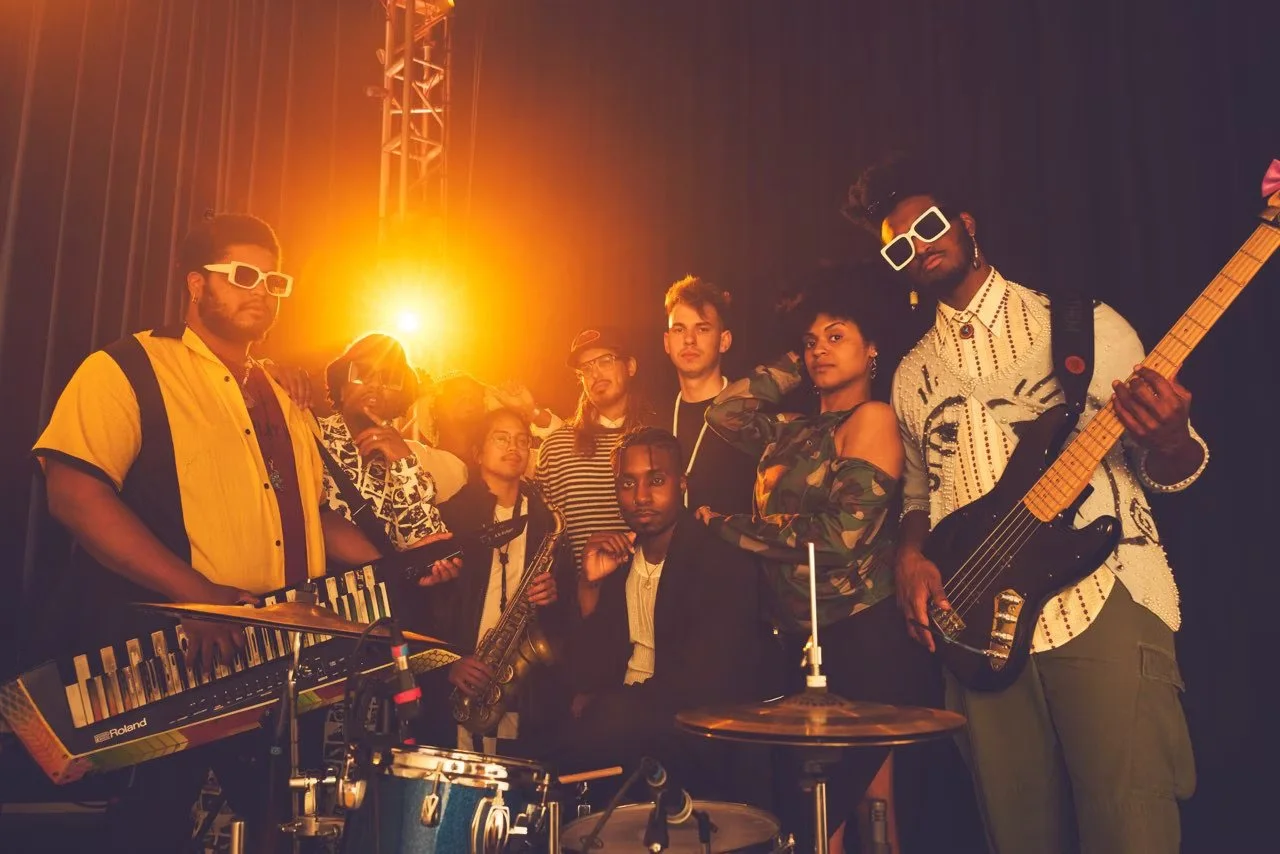
“I was mad at myself,” he said. “Not at them. At me.”
The third submission was different. Less about what would impress judges and more about what felt authentic. Even though the Dallas group had lost twice, they weren’t ever deterred.
“I got everything I wanted from Tiny Desk just by working,” McCloud said “I was like, we're not going to be famous unless we're on Tiny Desk, and unless we go on a tour with Tiny Desk. We just need people to see us, and then that's it. But it's like…I lost last year, and I'm talking to you now. I was just in Chicago.”
Growing up in Texas, he absorbed the local music culture but never limited himself to rapper comparisons. When he talks about influence, he cites artists like Lauryn Hill, Erykah Badu, and André 3000. Each carved out space that didn’t rely on fitting neatly into genre expectations.
That expansive view of artistry traces back to an unexpected place: The Church.
Before music took over, he wanted to be a pastor. He studied sermons, admired leadership, and watched how words could move people. He prayed to become like a particular church figure he saw as holy and disciplined. He had it all; A new wife and a newborn daughter.
That figure was later revealed to be secretly involved with men in the congregation. The betrayal wasn’t about sexuality, but an illusion.
“I realized I was seeking God in man and not in myself,” he said
That realization didn’t pull him away from speaking, yet it reframed it.
He doesn’t present himself as flawless. If anything, he emphasizes the messiness. The fear, doubt, and paranoia hasn’t vanished and neither did grief. The world hasn’t stabilized. But using music as an expression gave it somewhere to go.
Cure for Paranoia began as a half joking comment in a car full of friends bracing for a meteor. It’s now a reminder that fear doesn’t have to dictate identity.
“I’m just gonna keep doing me until they don’t let me do it no more,” he says.
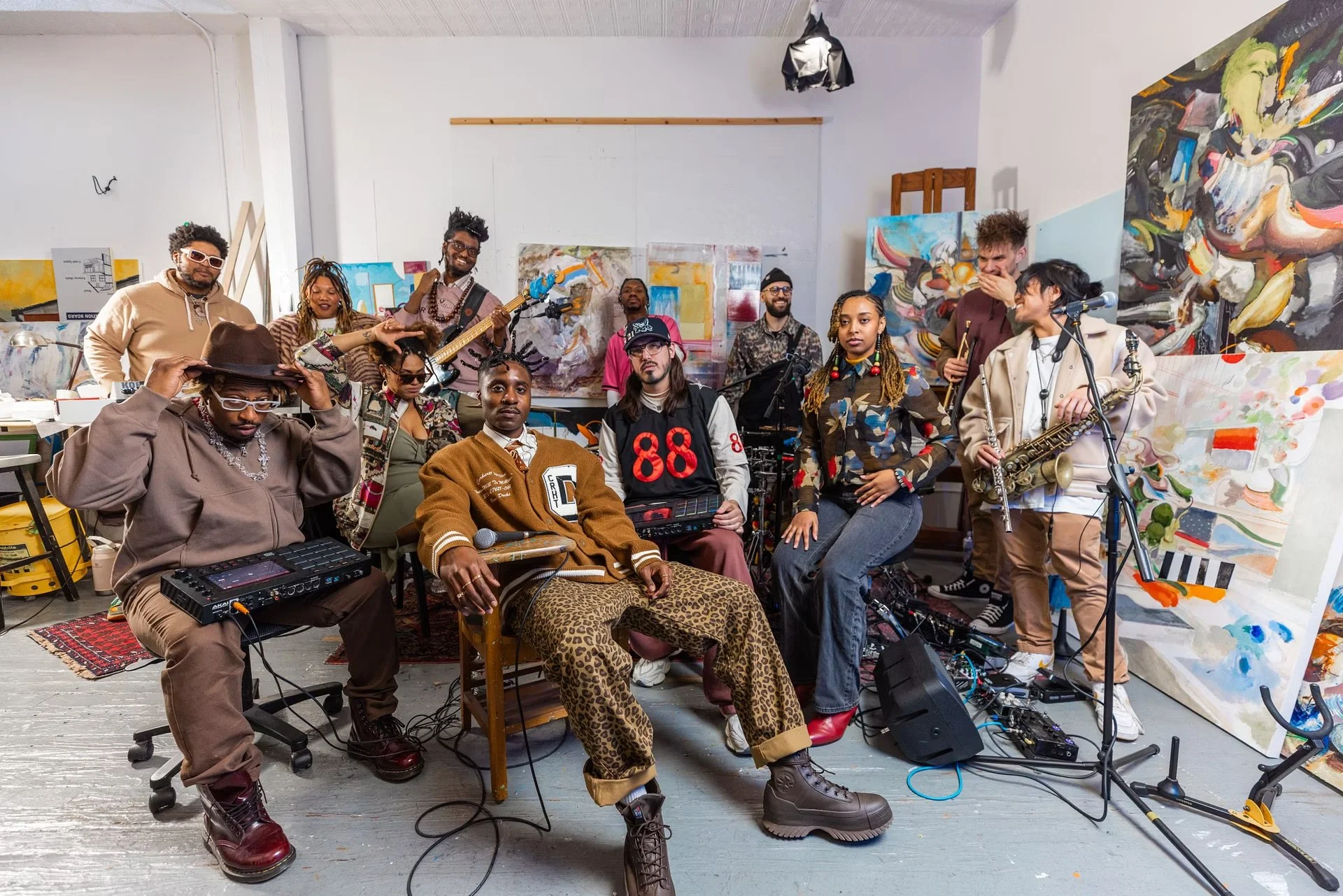
Paranoia may never fully disappear. But in his hands, it becomes a rhythm. And sometimes, saying it out loud is the closest thing to a cure.
Cure For Paranoia is the 2026 winners of NPR Music’s 2026 Tiny Desk Contest. They’ll tour ten cities this summer, including Los Angeles, San Francisco, Seattle, Austin, Denver, Chicago, Minneapolis, Boston, New York, and Washington, D.C., after a live Tiny Desk performance recording.
Check out more from them @cureforparanoia on social media!
