
AARON EL SABROUT
Illustrator, Comics and Gamemaker, Writer, Activist
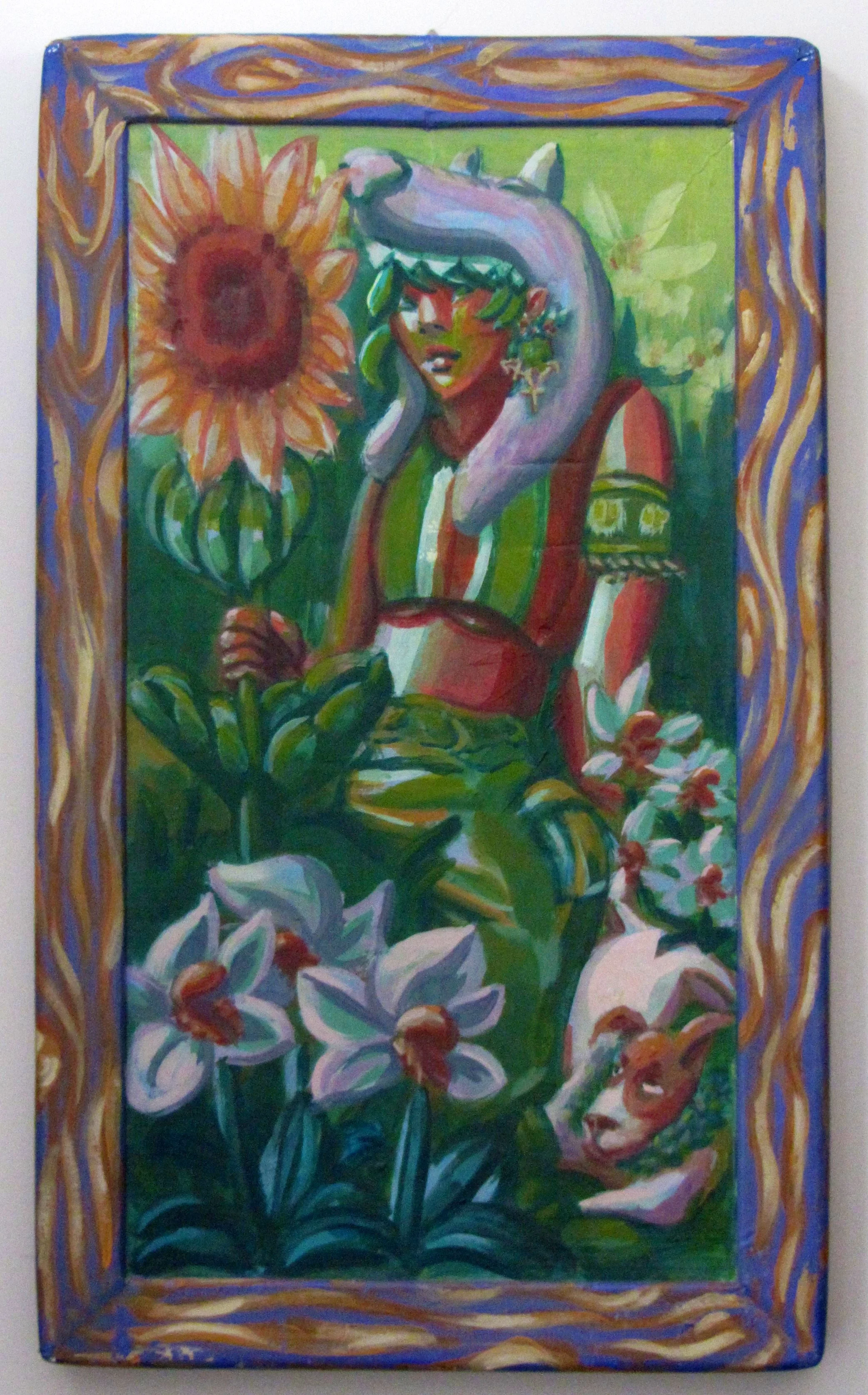
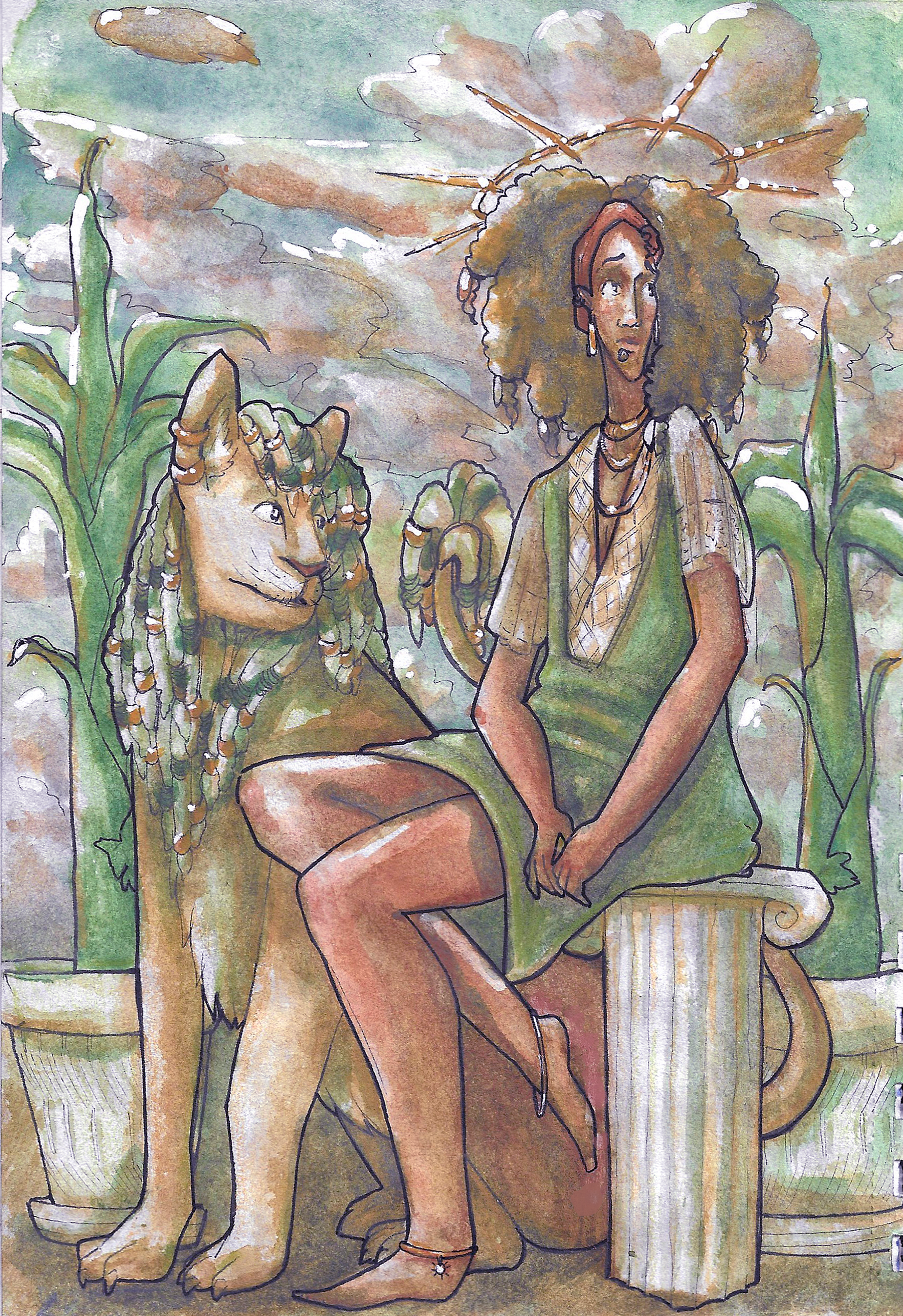
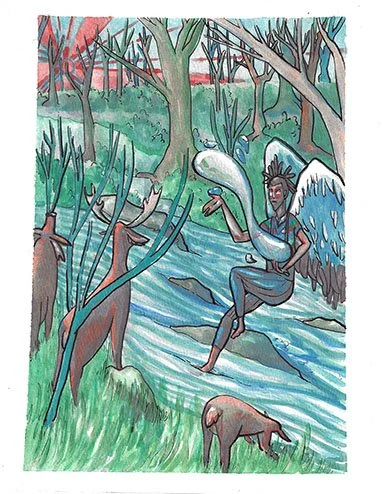
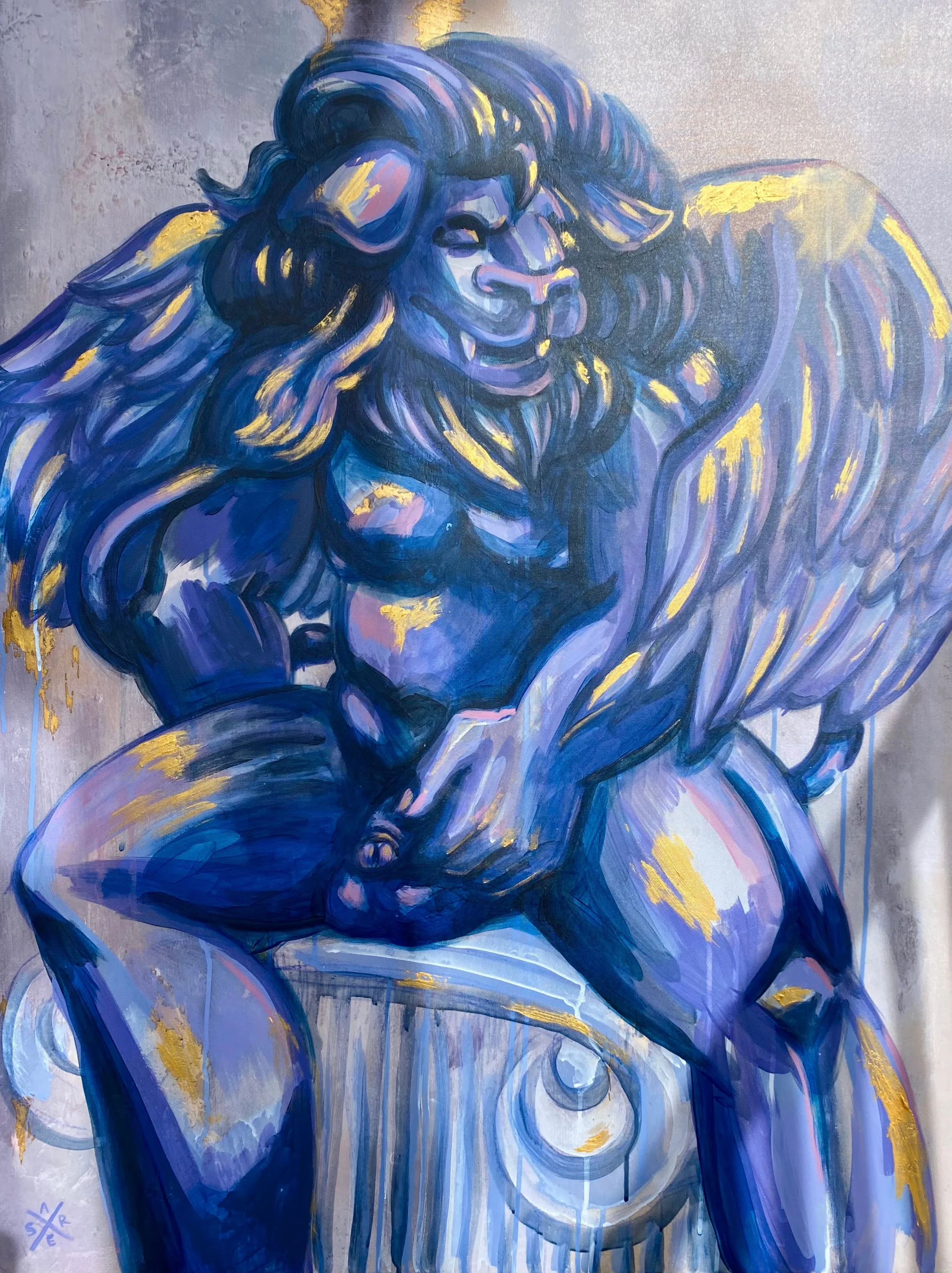
Aaron El Sabrout is an Egyptian-American visual artist and community activist who has been working at the intersection of racial justice, queer issues, housing and food justice for many years. All his work depicts and reflects these issues and experiences, particularly those examining the relationship between queer/trans people of color, our bodies and the land.
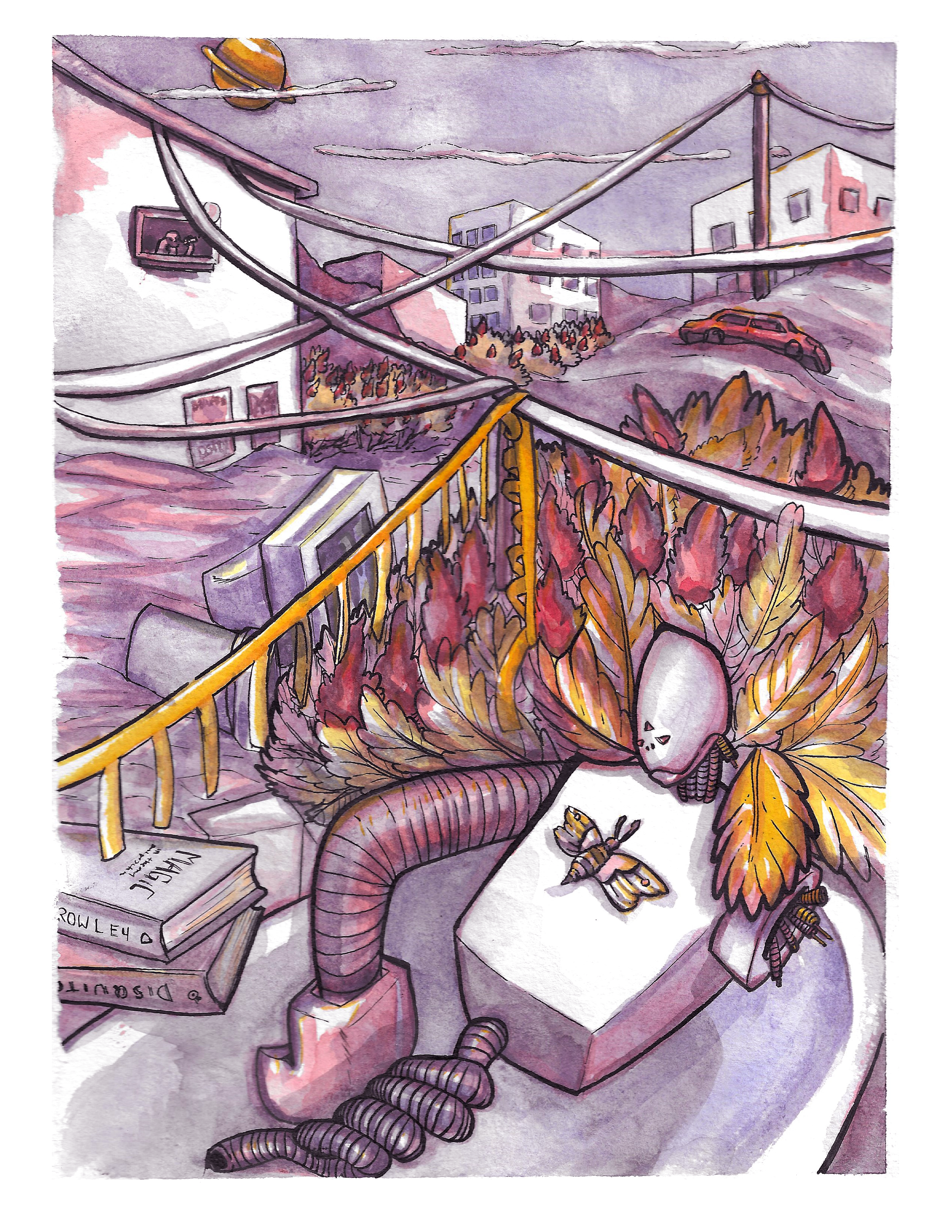
You're very multifaceted and skilled in many mediums. A couple you’ve mentioned are digital, watercolor, acrylic, writing and more. Which one would you say is your favorite to create with?
I think that fundamentally I'm a pen and ink artist. I just love to draw and do illustration on all of my work. Even when I make video games and digital artwork, it always comes from some kind of hand drawing. Many of my video games incorporate hand drawn characters as sprites that are literally drawn on paper, scanned, traced, cut out, and then manually animated on a computer.
When seeking help in your various creative endeavors, what kind of communities do you look to collaborate with?
I mean most of my work is both by and for trans folks of color, (and for me first of all.) Many of the folks that I end up collaborating with are friends I’ve met through communities mostly online, just like weird trans folks who make strange video games and art. That's kind of how I like to find an audience, and how I like to make my own networks. Especially a lot of the musical artists that I collaborate with, because the one thing that I simply cannot do is make music.
What are your favorite games and what are the big ones that inspired you to start making games?
I really came up and out of a scene of people making very handmade, community sourced visual novels, which are essentially like, choose your own adventure stories. One I read as a teenager that had a really strong impact on me was called Butterfly Soup. It's about a group of friends that are all Asian immigrant teenagers in high school, and they're all lesbians. It was just such a fun and cute way to depict that style of narrative and their different perspectives. Y’know I feel like we're sort of living in the amazing aftermath of the indie games boom, so games like Fez and Portal just showed me that a small studio can make cool games. Even more modern games, like Undertale show you pixel art, and that style can be restrictive and that’s a sign of games having some maturity as a medium, rather than just being like, everything has to be super big and hyper realistic. Instead we start to tell interesting creative stories with this medium that rather than just make it so hyper realistic like where you can see every piece of fur on that dog in the background of your game.
Can you give me a rundown on how you create a game from start to finish? The idea, to the programming, to the illustration, to the music, and all of that?
To keep it 100,000% with you, I don't know anything about programming either! Okay, at least I didn't when I started out doing this about a few years ago. First of all, there's a lot of really cool tools for making games out there that make the process a lot more accessible.
A lot of my pixel art style games, I use a tool called Bitsy. Basically what it is, it’s an all in one software that you actually can run out of your computer browser that basically allows you to do the art, the writing, the level design, and the programming in one place, and you don't even need to have programming knowledge. What I think is really cool about these kinds of softwares is that they are actually learning to program tools. It makes for a very intuitive, back and forth kind of artistic process. For other projects that I've worked on that are in more of a visual novel format, I use a software called Ren’Py, which is essentially a way of using the Python programming language to make a game that's very dialog heavy, so that's really handy, because programming dialog is actually really challenging. Usually a lot of the stuff that I make is super analog. So, like the character sprites, when I'm making them for one of my Ren’Py games, I physically draw the character on paper, then I go in digitally and change all the facial expressions and the movements and program it to switch back and forth between them.
Do you have a creative process?
One of my strange relationships with my artistic inspiration is I love to leave myself a note in Google Docs that's like three sentences, and then return to it, like, four years later and be like, “Girl, what did you mean by this? What is going on?” Usually I have some kind of very loose outline version that I just let marinate for some time, and when I start to be a bit more serious about it, I will start to put together some visual inspirations. Usually do sketches of the characters based on the visual inspirations, and then do a full write out of the script, especially for a larger project. Some of my Bitsy projects are smaller and just kind of happen all at once. But for my larger projects, I'll fully write out the script, especially if there's other folks involved. Usually, I make a lot of games for Game Jams, which is essentially like a community hosted, game making competition that has a deadline, because I love an externally imposed deadline. So usually, by this point there's anywhere between a week and a half to 24 hours till the deadline. And I'm like, you know, freaking out and doing the programming and the art at the same time. Usually the last day is me hyperventilating trying to smash it together and trying to make the art and the writing interact with each other, because programming is so strange when you're writing a story because you have to think about both of those pieces simultaneously the whole time.
Do you ever get bored of the process?
Oh, I get bored. I get frustrated, especially because I'm not very good at programming. That part is really challenging for me. I definitely will get to a point where it's 11:30 at night, and I've been at it since 8 in the morning, and I tell myself I need to walk away from this. If not, I'm gonna throw my computer out the window if I keep going.
Why do you do what you do? What are you spreading, and what do you want to share when you are making this work for yourself and openly sharing it?
I mean it's sort of a cliche about trans guys that nobody knows we exist. And I think that's really true. I think especially like when I was young, like when I first came out, it was like 2010 and there were starting to be some representations of trans women, but there were no representations of trans men. I can think of maybe three examples I saw as a kid. Especially for me as a trans guy who's attracted to men, that representation especially was not there. Whatever representations there were of trans men when I was young were in the context of media buying for lesbians, which, love them obviously, they are an integral part of our community. And like the straight trans guy narrative was never something that I related to. Also, a lot of narratives around transness are centered on whiteness and they didn't reflect my cultural experience as a North African trans person, both in terms of my cultural tensions that I've experienced in my life, and also the history of trans people that we have historically documented as North African and Arab people. It's not part of cultural narratives in general. It's something that I've done a lot of work and spent a lot of time researching and trying to bring up. I think that that's something that I've always wanted to see more of. Another thing that I try to incorporate a lot of in my work is like the relationship between trans people and the land, because I think we have this idea that trans people are like an artificial construct that the medical technology that we use is somehow artificial or new or some product of our advanced civilization or whatever. And like, you know, Western medicine has had a lot of impacts on what trans healthcare looks like, which is amazing. I'm a beneficiary. But also trans people have always been in a long relationship to the land, especially like the many different culturally specific types of trans people that are part of their cultures and medicine traditions that interact with their cultures. That's something that I have always wanted to put in the front, because I love the land. I think about colonization and land based relationships all the time, and that, to me, is not something that's separate from my being trans.
Do you have a favorite project you’ve created?
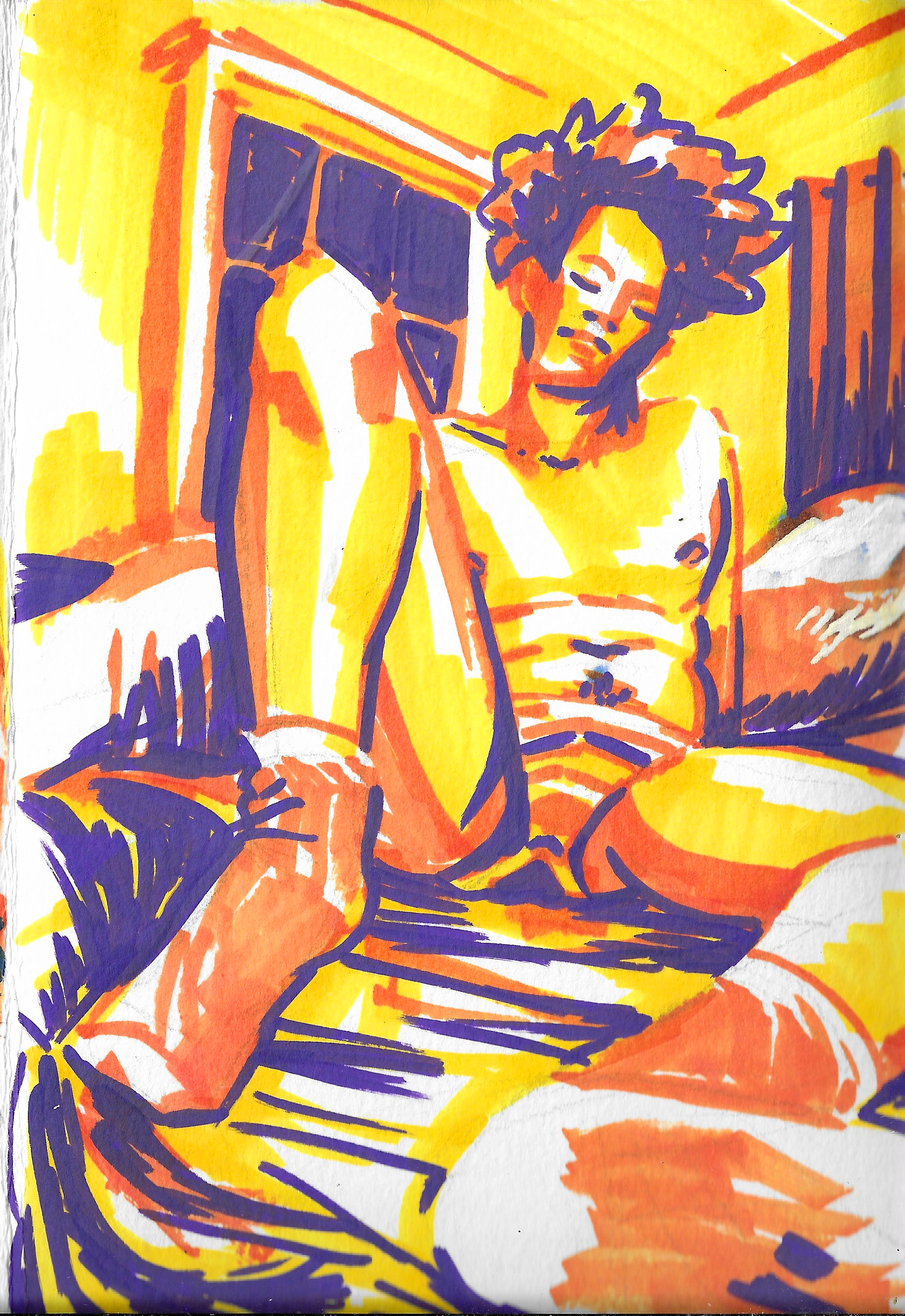
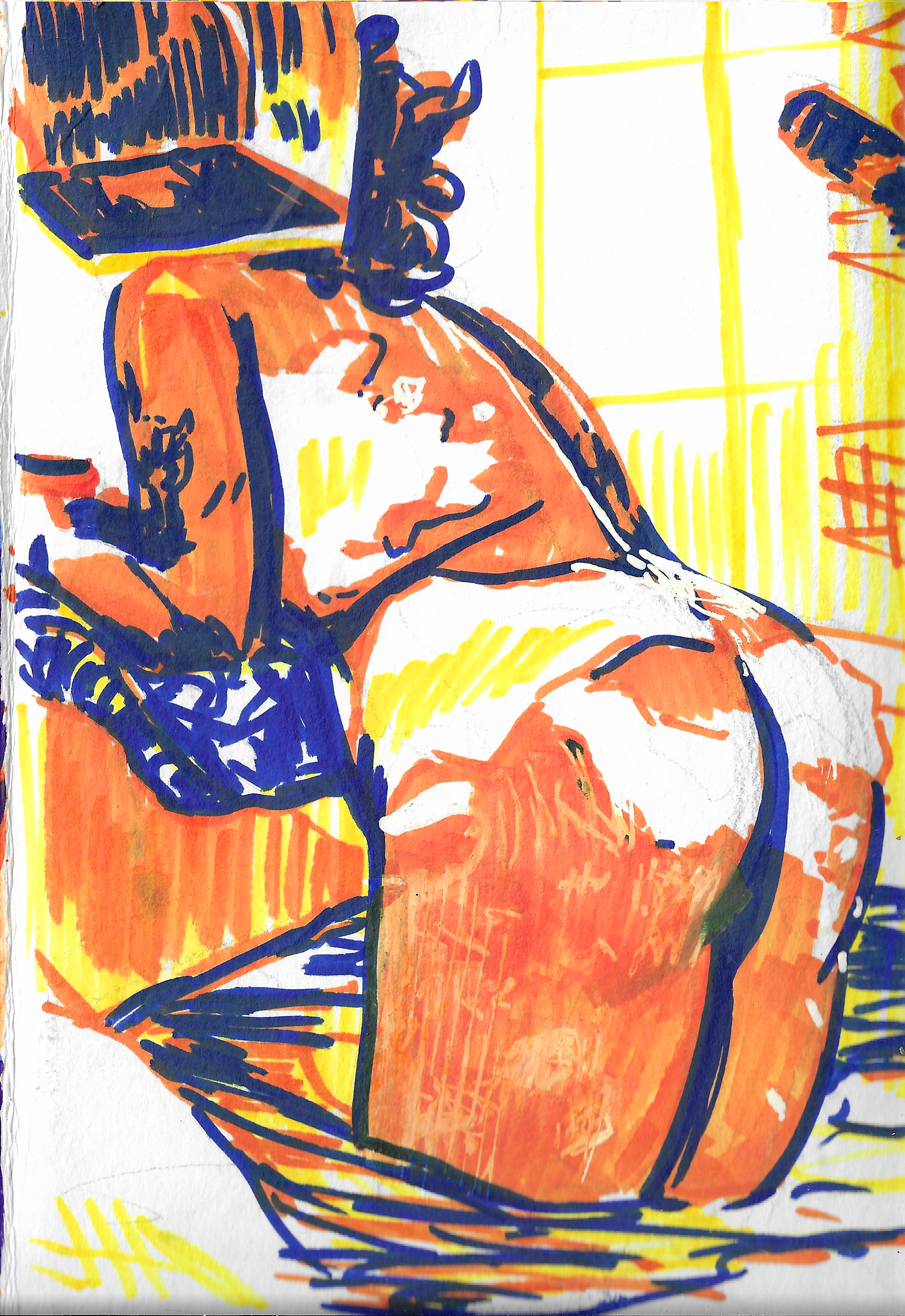
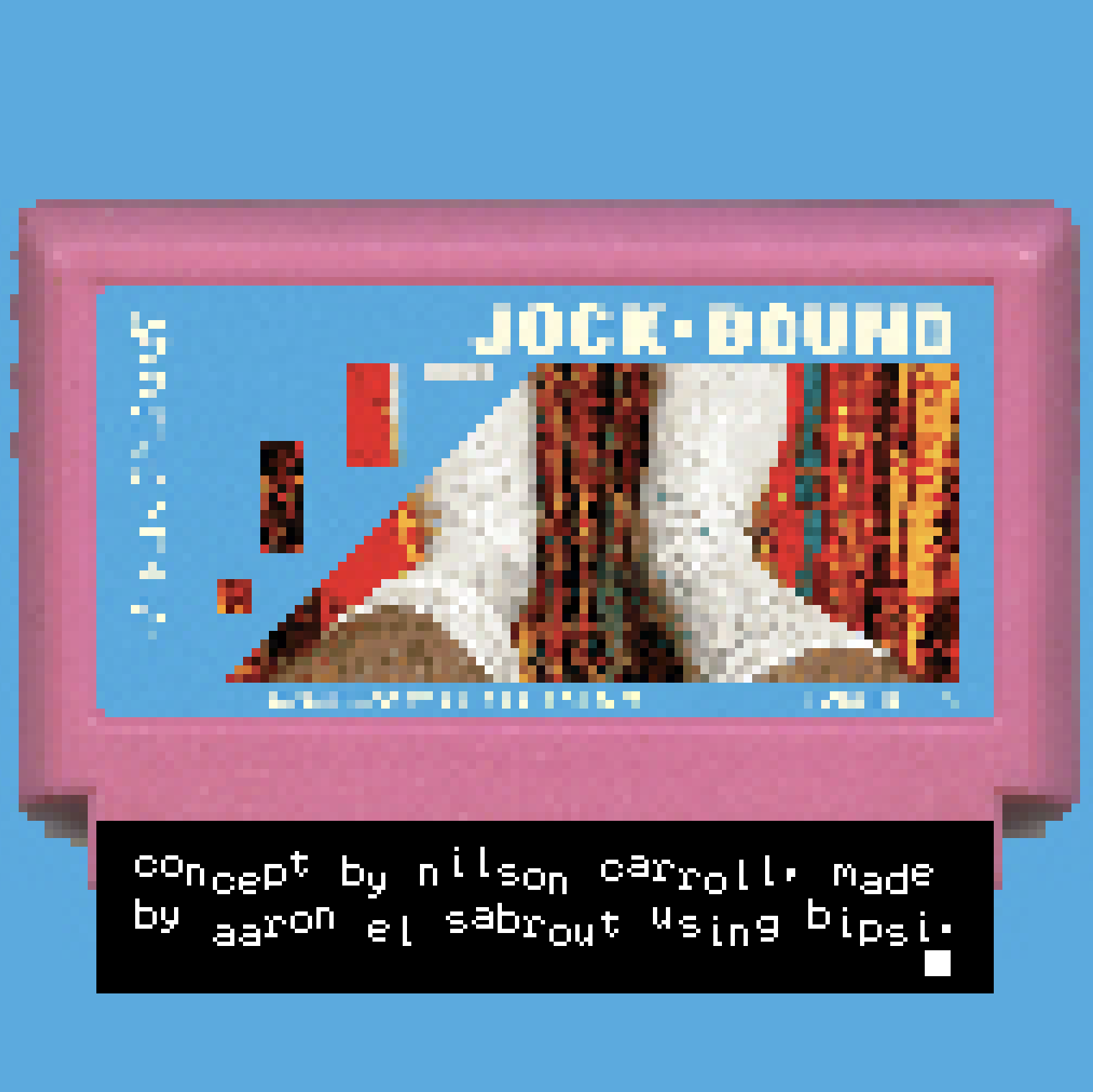
One of my favorite projects that I'm really proud of is not necessarily one of my largest projects. It's a game called Jock Bound. I made it for another Game Jam that I participate in pretty often called a game by its cover. So the premise of the jam is it’s based on an art exhibition that takes place in Japan every year called My Famicase Exhibition, and so artists from all over the world submit mock up game cartridges for the showcase with the cover of a game that doesn't exist. And then they usually write a paragraph of ad copy for the game. So it's kind of a prompt for a game that you could make. And the one that I chose was by an artist named Nelson Carroll, who I believe is a game maker from upstate New York. It's like a little pixel adventure game about being trans at the gym and gay gym cruising culture. A lot of the projects that I make have erotic themes, and that’s something I used to be really afraid of, or I used to feel like there had to be some sort of serious element to that. I think now that it’s just like part of the joy and pleasure of life as an adult. I also think lots of aspects of the queer and trans experience relate to sex in certain ways, or what is revealed by sex that people misinterpret it in a hostile way. Also, I've always worked out, that's been a way, even before I medically transitioned, that I've always connected to other men and male spaces. I always experience such a sense of curiosity and yearning about the things that I wasn't able to experience about those places and I think that jock bound was really a project about that since I spent a lot of time reflecting on that. I also just really liked the process of making it, because in addition to making a bunch of the pixel art in Bitsy, I also created some marker illustrations, which are the title card for the game and the title cards throughout the game for the chapters. It was just fun to piece it together.
Is your goal to remain an independent game maker, or do you want to grow and build a team or work for a larger game company?
I would work on larger projects. I’ve worked a bit on some of other people's projects too, and that's something that I'd love to continue. I think that, I especially, really want to grow my collaborative work with people, because I think that interesting stuff comes out of it. I've done a lot of work that's like, about me, about my experiences, about the kind of things that I think about. And I would love to work on something that is part of a larger vision, especially because I think that it's really important for us to start to come together as a culture and do projects together in a time when we're all feeling so isolated.
Follow Aaron on Instagram or check out his games on itch.io!
